


Baking Soda and Vinegar for Drains? Why It Won't Clear a Blockage
Think baking soda and vinegar will clear your blocked drain? The chemistry says otherwise.
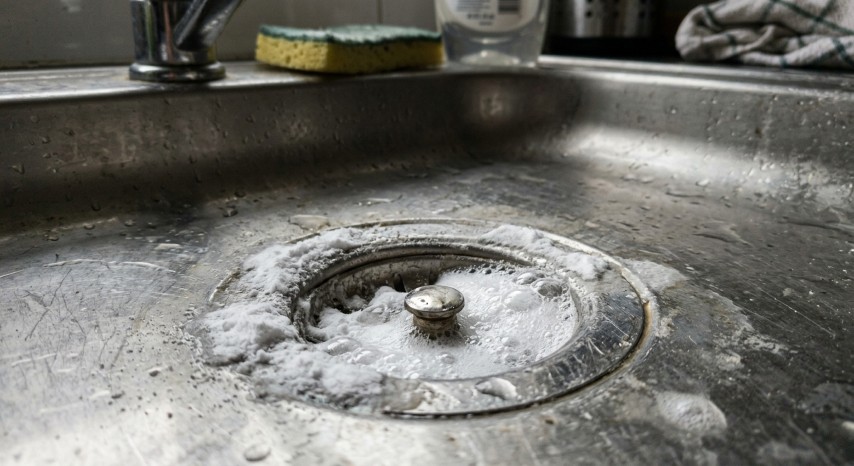
If you've ever searched "how to unblock a drain" online, you've seen the same advice everywhere: pour baking soda down the drain, follow it with vinegar, and let the fizzy reaction do the hard work. It looks impressive. It sounds natural. And it's all over social media. The problem? It doesn't actually clear your drain.
Here's why this popular DIY hack falls flat, what the science really says, and what you should do instead when your drains start slowing down.
The Chemistry Cancels The Other Out
This is the part most cleaning blogs skip over, so let's get straight to it.
Baking soda (sodium bicarbonate) is an alkaline base.
Vinegar (acetic acid) is an acid.
When you mix an acid and a base together, they neutralise each other.
Which means, each cancels out the effectiveness of the other.
This is a fundamental principle of chemistry, called an acid-base neutralisation reaction.
The dramatic fizzing you see when you pour vinegar onto baking soda is carbon dioxide gas being released.
It looks like something powerful is happening inside your pipes. But, it's not.
Once the fizzing stops, you're left with three things:
- Water
- Carbon dioxide gas (which has already escaped into the air)
- Sodium acetate (a mild salt with no cleaning properties)
That's it. It's no great degreaser or drain-clearing agent.
We like the explanation that All Pure Cleaning, a Perth-based Australian eco-cleaning company, had in simple words on their blog:
"The opposite pH levels cancel each other, creating water and carbon dioxide. The fizz doesn't equal extra cleaning, it just means the two ingredients are working a little bit against each other."
What Baking Soda and Vinegar Can Do for a Drain
To be fair, the combination isn't completely without merit. Here's what people commonly credit it for, and it's fair to say both points have some truth to them:
- Slight physical agitation. The bubbling creates a little movement, which may help lift loose dirt or soap film from the sides of a pipe.
- Helping deodorise drains. Baking soda is a well-known odour neutraliser, so the mixture can help freshen a smelly drain.
Some people also use it as a routine habit, followed by hot water, to help stop minor build-up. That's a reasonable use. But these are light maintenance benefits. Because a sink drain is open to the air, the gas escapes upward rather than building pressure that could shift a deeper clog, so the fizz just isn't strong enough to clear one.
The Experiment You Can Do Yourself
Let's go one step further. Explaining the chemistry is one thing, but seeing it play out is more convincing. Chemist and blogger Amanda Pepin did exactly that and the results have been making the rounds.
She put two popular "green cleaning" methods up against a bowl of grease, the usual suspect behind slow drains:
- Bowl 1: Baking soda and vinegar
- Bowl 2: Hot water and dish detergent
Five minutes later, the hot water and detergent bowl had broken the grease down completely. The baking soda and vinegar bowl looked pretty much the same as when it started.
That tracks with what most plumbers will tell you. Baking soda and vinegar put on a good show with all the fizzing, but bubbles don't dissolve fat. Hot water melts the grease, and dish soap, which is a true surfactant, grabs onto it and lets it rinse away. Baking soda and vinegar aren't surfactants, so they never had much of a shot.
Keep in mind this was a kitchen-counter demo, not a lab study. A real drain has bends, buildup, and other gunk in the mix, so results will vary. Still, if the clog is grease, hot water and dish soap is a cheap first move that's a lot more likely to help than the fizzy stuff.
They Work on Their Own. Just Not Together.
Here's the thing that frustrates people about this myth: baking soda and vinegar are both genuinely useful cleaning products. They just stop being useful the moment you combine them.
Sustainability Victoria, the state government's environmental authority, actually recommends both products. But look at how they recommend using them: separately. Vinegar mixed with water as an all-purpose surface spray. Baking soda on its own as a gentle abrasive for scrubbing sinks, tubs, and benchtops. At no point does the guide tell you to mix them together, because doing so neutralises the very properties that make each one effective.
So Why Do People Say It Works?
Nearly every baking soda and vinegar guide tells you to finish by flushing with boiling or very hot water. Hot water softens and loosens grease on its own, and it always has. The baking soda and vinegar often get the credit because they came first. (As you'll see later below, the "boiling" part of that advice is worth ignoring.)
There's also a small grain of truth. The gentle fizzing and the deodorising effect can make a drain feel cleaner, and for a mildly smelly drain or a bit of light soap film, that can be enough. The trouble starts when a slow drain is actually a blockage. The mixture can't do the heavy lifting there, and the time spent waiting on it lets the problem get worse.
What Actually Clears a Blocked Drain
If you're dealing with a slow or blocked drain in your Sydney home, here's what will actually make a difference:
- Hot Water and Dish Detergent (for light grease build-up)
For a kitchen sink that's draining slowly, running very hot water through with a squirt of dish detergent is more effective than baking soda and vinegar. Detergent is a surfactant, which means it actually breaks down and carries grease away.
For a slow kitchen sink, run hot tap water through with a good squirt of dish detergent. Detergent is a surfactant, so it breaks down and carries grease away, which baking soda and vinegar can't do.
TIP! Keep it hot, not boiling.
Boiling water can damage some pipes:
- It can soften PVC. Most modern under-sink pipes are PVC, typically rated to about 60°C. Boiling water (100°C) can soften the pipe and weaken its glued joints.
- It can cause thermal shock. Cold pipes and porcelain sinks can crack.
- It's riskier in a slow drain. Boiling water usually flows through too quickly to do harm, but a partial blockage lets it sit against the pipe. It can also melt grease that then re-solidifies further down the line.
Metal pipes like copper and cast iron handle boiling water fine, but if you can't tell what your pipes are made of, treat them as PVC. Hot tap water sits safely under the limit and, with detergent, does the job without the risk
- A Drain Snake or Plunger (for physical blockages)
Hair, soap build-up, and food debris are physical obstructions. They need to be physically removed. A basic drain snake from your local Bunnings costs under $25 and will pull out the gunk that no amount of kitchen chemistry will shift.
- Professional Drain Clearing (for serious or recurring blockages)
If your drain keeps blocking up, or water is pooling and not moving at all, it's time to call in a licensed plumber. At SPS Plumbing, we use high-pressure water jetting and CCTV drain cameras to find and clear blockages properly, not just push the problem further down the line.
Our blocked drain service starts from $249 with upfront pricing and no hidden costs.
A Quick Note on Chemical Drain Cleaners
When the baking soda trick fails, a lot of people reach for a bottle of chemical drain cleaner from the supermarket. These products use caustic chemicals that generate heat to eat through blockages. They can work on minor clogs, but they come with risks:
- Repeated use can damage older pipes, particularly clay or early PVC systems common in many Sydney homes
- The heat generated can warp plastic fittings
- They can push a partial blockage deeper into the line, turning a simple fix into a bigger job
If one application doesn't clear the drain, don't keep adding more product. That's the point where a plumber with a camera will save you money.
So, What Should You Take Away?
Baking soda and vinegar are both useful household products on their own. Baking soda is a great mild abrasive and odour neutraliser. Vinegar cuts through mineral deposits and soap scum. But the moment you combine them, they neutralise each other's cleaning properties.
You're left with slightly salty water and a satisfying fizz that fixes nothing.
If your drains are running slow or backing up, skip the science fair experiment and call a Sydney plumber who'll sort it out properly. SPS Plumbing offers same-day service when you call before 10:30am, 7 days a week.
Call SPS Plumbing on (02) 9072 0760 or book online.
Frequently Asked Questions
Does baking soda and vinegar actually unblock drains?
No. When baking soda (a base) and vinegar (an acid) are combined, they neutralise each other in an acid-base reaction. The fizzing is carbon dioxide gas escaping. What's left is water, CO2, and sodium acetate, none of which can dissolve grease, hair, or soap build-up.
What is the chemistry behind baking soda and vinegar?
Baking soda (sodium bicarbonate) is alkaline. Vinegar (acetic acid) is acidic. Mixing them triggers an acid-base neutralisation reaction. The dramatic fizz is carbon dioxide being released. The reaction leaves behind sodium acetate, water, and CO2, none of which can clear a blocked drain.
Is there anything baking soda and vinegar is useful for in drains?
They can help deodorise a smelly drain, and the light fizzing may shift very loose surface dirt or soap film. For light maintenance followed by hot water, the combination isn't harmful. But it cannot clear a physical blockage or dissolve grease, for that you need a surfactant like dish detergent, a drain snake, or a licensed plumber with a water jet.
What actually clears a blocked drain?
For light grease build-up: hot tap water and dish detergent (a real surfactant that breaks down and carries grease away). For physical blockages like hair and food debris: a drain snake or plunger from Bunnings. For serious or recurring blockages: a licensed plumber with high-pressure water jetting and a CCTV drain camera.
Is boiling water safe to pour down drains?
Not always. Most modern under-sink pipes are PVC, rated to around 60°C. Boiling water at 100°C can soften the pipe and weaken glued joints. It can also cause thermal shock in cold pipes and porcelain. Hot tap water is the safer choice, it sits well below the PVC limit and, combined with dish detergent, is an effective first move for a greasy kitchen sink drain.
Should I use chemical drain cleaners instead?
Chemical drain cleaners can work on minor clogs but carry real risks, damage to older pipes, heat that warps plastic fittings, and the risk of pushing a partial blockage deeper. If one application doesn't clear the drain, stop adding more product. That's the point where a plumber with a CCTV camera will save you money.
How much does SPS Plumbing charge to clear a blocked drain?
SPS Plumbing's blocked drain service starts from $249 with upfront pricing and no hidden costs. They charge per job, not by the hour, and offer same-day service for calls received before 10:30am, 7 days a week across Sydney.
Drain running slow? Don't wait.
Call us on (02) 9072 0760 or book online. Same-day service available. Upfront pricing, no hourly rate, no surprises on the bill.


