


Why Is My Tap Water Cloudy?
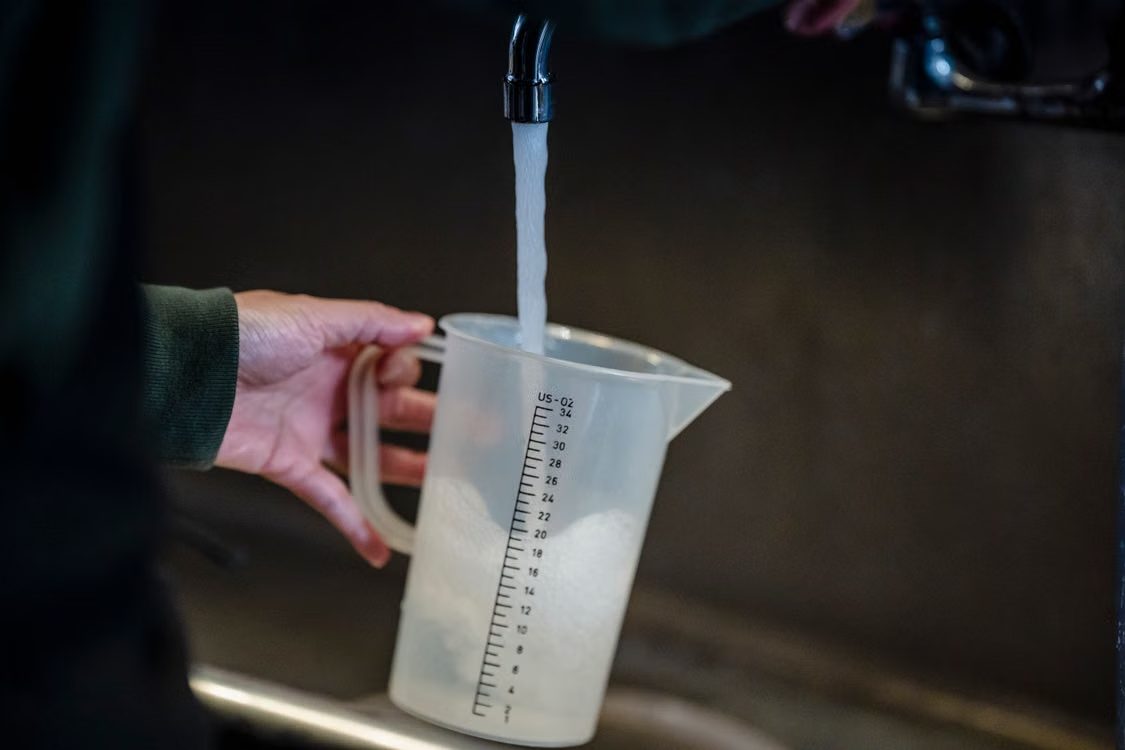
Photo: Pexels
Your dripping tap in the kitchen has been fixed. You go to fill the kettle, and the water comes out milky white not clear. Now everyone's gathered around the sink, wondering what's gone wrong and if the cloudy water is even safe to drink.
The good news is that after a repair, cloudy tap water is almost always just trapped air, and it's harmless. But cloudy tap water isn't always air, so below we'll show you how to tell the difference, whether it's safe to drink, and how to fix it.
Table of contents
- The simple glass test: air bubbles or something else?
- Why is my tap water cloudy? The most common causes
- Can you drink cloudy tap water?
- How to fix cloudy tap water
- When to call a plumber about cloudy water
- Book a trusted Sydney plumber
The simple glass test: air bubbles or something else?
Before anyone panics, try this quick test. It takes about two minutes and needs nothing more high-tech than a clear glass.
- Fill a clear glass with cold water from the tap.
- Put it on the bench and watch it for two to three minutes.
- Check how the water clears.
If it clears from the bottom up, the cloudiness is air bubbles (aeration). The bubbles rise to the surface and escape, so the bottom of the glass turns clear first. This is the most common cause and nothing to be concerned about. Crisis over, put the kettle on.
If it stays cloudy, or particles settle at the bottom, you're likely looking at sediment, minerals or debris in the water. It's not a reason to panic, but it is worth a closer look, especially if it keeps happening.
If the water is brown, yellow or orange, that's discoloured water rather than cloudy water. It's usually linked to rust or disturbed sediment in the pipes, and it has different causes and fixes.
Why is my tap water cloudy? The most common causes
1. Air bubbles in the water
Water in the mains is under pressure, and pressurised water can hold more dissolved air. When it leaves your tap, the pressure drops and the air comes out as thousands of tiny bubbles. That's what gives the water its milky, white look.
This is exactly what happens after plumbing work at your place. Any time the water is turned off for a repair, such as a new tap or washer, air sneaks into the pipes. When the water comes back on, that air has to go somewhere, and your tap is the exit. Running the taps for a few minutes usually clears it, though you may see the odd cloudy glass for a few hours as the last pockets work their way out.
Air can also get into the system after nearby water main repairs, maintenance work or a burst main in your street. It's also more noticeable in winter, because cold water holds more dissolved air than warm water.
2. Cloudy hot water from the tap
If you only get cloudy hot water from the tap, the cause is usually still air. Heating water forces dissolved gases out, so hot water often looks cloudier than cold. This is common and generally harmless. Your hot water isn't haunted, it's just physics.
It can also point to your hot water system, though. A build-up of sediment in the tank, a failing anode rod or a faulty pressure valve can all affect hot water quality. If your hot water stays cloudy, smells odd or looks gritty, have the system checked.
3. Sediment and minerals
If the glass test shows particles settling at the bottom, sediment is the likely cause. Mains work, changes in water pressure or old, corroding pipes can stir up deposits that sit inside the pipework.
Hard water with high levels of calcium and magnesium can also make water cloudy and leave white scale on taps and showerheads. Sydney's water is generally soft, but older pipes can still hold mineral build-up.
4. Faulty taps, aerators and fittings
The aerator on the end of your tap mixes air into the water to soften the flow. A clogged or damaged aerator can trap debris or add extra air, making water from the faucet look cloudy. Worn tap washers, cartridges and fittings can have a similar effect.
If only one tap or faucet is cloudy, the problem is almost certainly at that tap rather than in the mains.
5. Plumbing problems inside your property
Less commonly, cloudy water signals a problem in your pipes. Damaged or ageing pipes can let in sediment, and a pressure issue can draw air into the line. Cross-connections without proper backflow prevention can also allow contaminated water to flow back into your drinking water supply.
Can you drink cloudy tap water?
If the cloudiness is caused by air bubbles, yes, cloudy tap water is safe to drink. Air doesn't change the quality of the water, and once the bubbles escape it's exactly the same as clear water.
It's a different story if your drinking water is cloudy for another reason. We won't sugar-coat it: in these cases, hold off on drinking it and contact your water supplier or a licensed plumber if:
- the water doesn't clear after a few minutes in a glass
- you can see particles, grit or sediment settling at the bottom
- the water has an unusual smell or taste
- it's discoloured brown, yellow or orange
- the cloudiness comes back regularly or is getting worse
If several homes in your street are affected, the issue is probably in the water mains. Sydney Water customers can report water quality problems on 13 20 90. If it's only your property, the cause is more likely in your own pipes, taps or hot water system.
If you're unsure, trust your gut. Getting it checked and hearing "it's just air" is a far better outcome than guessing wrong.
How to fix cloudy tap water
The fix depends on the cause, and the first few steps cost you nothing but a couple of minutes. Start with the easy ones and work your way up.
- Run the cold tap. After mains work, run your cold kitchen tap for a few minutes to flush air and loose sediment out of the line.
- Check other taps. Fill a glass from a few different taps. If only one is cloudy, focus on that tap.
- Clean or replace the aerator. Unscrew the aerator at the end of the tap, rinse out any debris and soak it in vinegar to remove scale. Replace it if it's damaged.
- Compare hot and cold. If only the hot water is cloudy and it doesn't clear, your hot water system may need flushing or servicing.
- Consider a water filter. If minerals or sediment are a recurring problem, a filtration system can improve the clarity, taste and smell of your drinking water.
- Call a licensed plumber. If the cloudiness persists, keeps returning or comes with grit, odour or discolouration, it's time for a professional inspection.
When to call a plumber about cloudy water
We'll be straight with you: if your water clears in a glass within a few minutes, you don't need a plumber. Save your money for something else. Persistent cloudiness is different, because it can point to ageing pipes, a hot water system problem, a faulty tap or a backflow risk.
If it doesn't clear, SPS Plumbers can help you get to the bottom of it (pun fully intended). Our licensed plumbers can:
- repair or replace faulty taps, aerators and fittings through our tap and toilet repair service
- recommend and install the right system with our water filter installation service
- test and install certified devices to protect your drinking water with our backflow prevention service
- inspect, flush and service all types of hot water systems
- find hidden leaks and damaged pipes with water leak detection and CCTV camera inspections
Cloudy water is just one sign of a water quality issue. Brown or discoloured water can have different causes, and we'll cover those in future guides.
Book a trusted Sydney plumber
Sydney's Plumbing Specialists has been looking after homes and businesses across Sydney for close to 10 years. Our director, Michael Alayan, brings 20 years of plumbing industry experience, and our team has a combined 250 years on the tools. We're a multi-award-winning company with a 4.7 rating from more than 400 reviews, and we offer a 24-hour emergency call out.
Worried about the cost of a new water filter or hot water system? SPS Finance offers flexible payment options through Brighte, including short interest-free plans with fortnightly repayments.
If your tap water is cloudy and won't clear, there's no need to stand around the sink holding glasses up to the light. Contact SPS Plumbers or book a service today.
SPS Plumbers Licence No. 394055C


