


What Are Drain Flies and How to Prevent Them in Your Drains
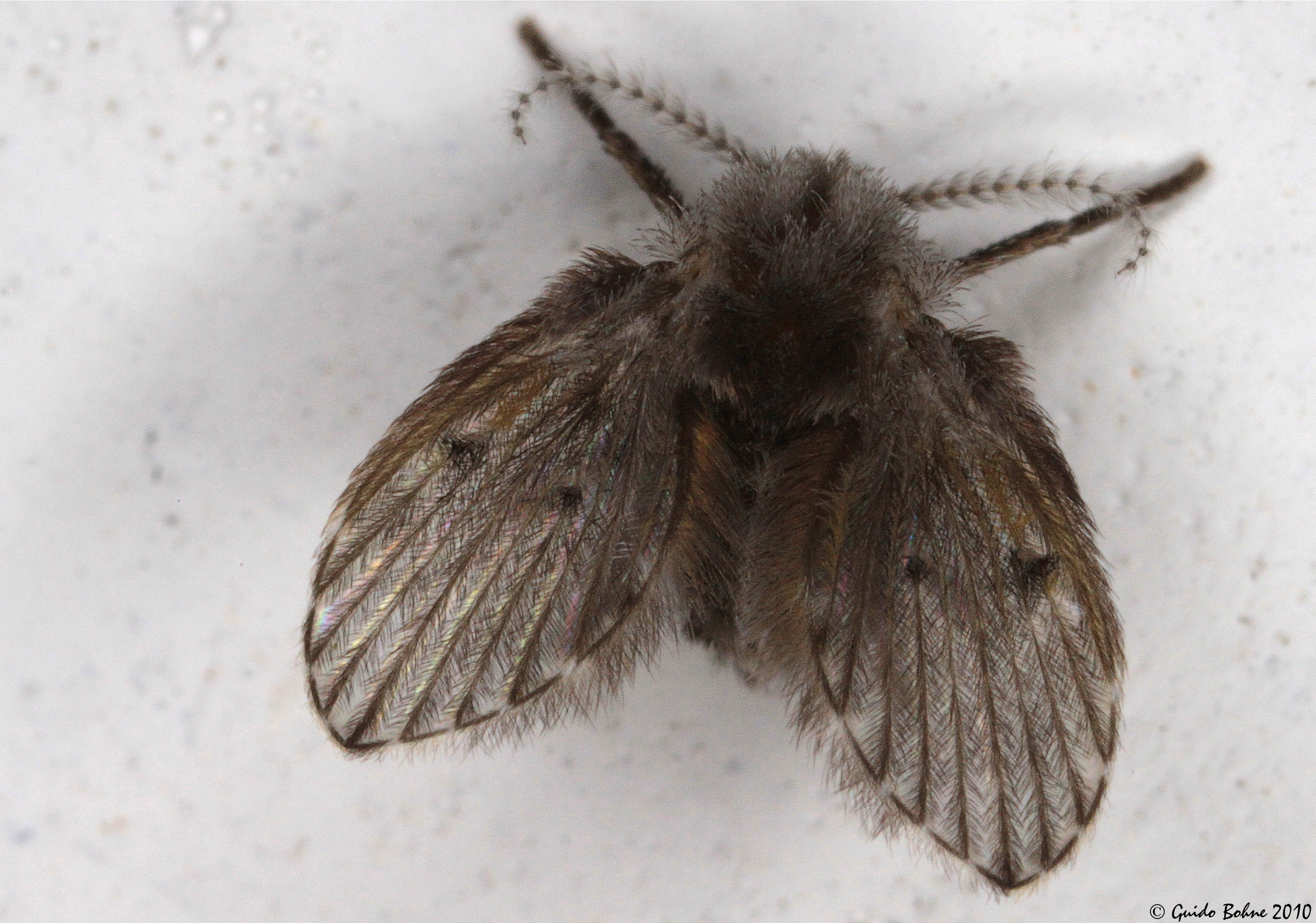
gbohne from Berlin, Germany, CC BY-SA 2.0, via Wikimedia Commons
Most people meet their first drain fly at about eight in the morning, standing at the bathroom sink, swatting at something small and fuzzy that doesn't fly like a normal bug. It's not a gnat. It's not quite a moth. It just sort of lurches through the air and lands on the tile.
That's a drain fly, and the thing worth knowing about it is that it didn't wander in from outside. It hatched in your pipes. Which means the fly isn't really the problem. It's the receipt.
What Drain Flies Actually Are
Drain flies go by a few names, moth flies and filter flies among them, and they're small, roughly an eighth of an inch, usually gray or tan or close to black. Get close enough and you'll see their wings are covered in fine hairs, which gives them that dusty, moth-ish look instead of the sleek body of a housefly.
They're bad fliers. That's actually one of the easiest ways to tell them apart from fruit flies, which zip around a kitchen with purpose and are usually circling a fruit bowl or a wine glass. Drain flies mostly sit. You'll find them resting on the wall or mirror near a drain, taking short clumsy hops when disturbed.
An adult only lives a week or two, which sounds reassuring until you look at the math on how fast they breed. A handful of flies on Monday can be a genuine problem by the following weekend if nothing gets done about where they're coming from.
What Attracts Drain Flies in the First Place
Grime. That's the honest answer.
Every drain in a house slowly develops a layer of soft organic film along the inside walls of the pipe. Soap scum, hair, grease, food particles, skin cells, all of it collects and starts to break down. Plumbers call it biofilm. It's that slick, slightly gelatinous stuff that comes up on a brush and makes people regret asking what it was.
To a drain fly, that film is both a food source and a nursery.
A few other conditions make a home more appealing to them:
- Water that sits. Rarely used sinks, basement tubs, floor drains nobody thinks about.
- Humidity. Bathrooms, laundry rooms, and basements are the usual suspects.
- Grease. Kitchen lines take the worst of it, especially where cooking oil gets rinsed down regularly.
- Drains that don't get run. A guest bathroom that goes a month between uses is a quiet little breeding ground.
- Leaks and cracks. A slow leak behind a wall or under a floor creates exactly the damp, organic environment they want, and it's completely hidden.
Put two or three of those together and the flies will find you.
Where Drain Flies Breed
Almost always inside the drain itself, down in that biofilm.
The female lays her eggs right in the sludge on the pipe wall. They hatch within a day or two. The larvae then spend one to two weeks eating the organic matter around them before pupating and coming out as adults. The entire life cycle happens a few inches below the strainer, out of sight, which is why most people swear the flies appeared out of thin air.
The spots that come up most often:
- Kitchen sink drains and garbage disposals
- Bathroom sinks, showers, and tubs
- Floor drains in basements, laundry rooms, and utility closets
- Any drain that goes long stretches without use
- Cracks or breaks in a sewer line, where organic matter and moisture pool up
That last one is worth flagging. When drain flies keep coming back after a thorough cleaning, it's often because the breeding site isn't where anyone's been looking. It's a damaged section of pipe, or a slow leak, creating a wet, organic pocket that no amount of scrubbing at the sink is going to reach.
Getting Rid of Them Yourself
Here's the part that saves people money: most drain fly problems don't need a plumber. The issue is buildup inside a drain, not an insect infestation spreading through the house, and buildup is something a determined homeowner can deal with on a Saturday.
1. Find the right drain first.
Tape over each suspect drain, sticky side down, and leave it overnight. Whichever piece has flies stuck to it in the morning is the one to focus on. Worth doing before anything else, because cleaning the wrong drain for a week is a frustrating way to spend a week.
2. Scrub it. Physically.
A stiff drain brush or bottle brush, worked up and down against the inside walls of the pipe, is the single most effective thing anyone can do here. Biofilm clings. Pouring something down the drain and hoping is not the same as scraping it off, and nothing else on this list matters as much as this step.
3. Flush with boiling water.
Straightforward, and it helps loosen grease and softened residue before and after scrubbing.
4. Baking soda and vinegar, with a technique most people get wrong.
Quick bit of myth-busting first. We go more into it in the baking soda and vinegar drain cleaning myth, and the short version is that the fizzing reaction is nowhere near strong enough to clear an actual clog. If a drain is blocked, this won't fix it. That takes a snake or a hydro-jet.
But clearing a clog isn't the job here. What is needed is just breaking down biofilm, and for that it has some genuine use. As we’ve pointed out earlier in the blog, the foam does provide light agitation along the pipe walls while it reacts, which helps lift and soften the organic film that drain flies are laying eggs in.
The part that matters, and that almost nobody does: half a cup of baking soda down the drain, a cup of white vinegar after it, and then close the strainer or stopper immediately. Seal it. Otherwise most of that reaction just foams straight up and out of the drain opening, doing absolutely nothing for the pipe below. Capping it forces the fizz downward, against the walls, where the problem is. Let it sit thirty minutes to an hour, then flush hard with hot water, to carry everything loosened the rest of the way out.
5. Follow up with an enzyme cleaner.
Enzyme-based products, not harsh chemical drain openers, are designed to digest organic buildup over a few days. They're gentle on pipes and good for ongoing use.
6. Run the forgotten drains weekly.
Thirty seconds of water through a guest bathroom or basement drain once a week prevents both standing water and dried-out traps. A dry P-trap is an open door between the sewer line and the house, which brings in odors and pests both.
Expect to repeat the scrub-and-treat cycle every few days for one to two weeks. That's roughly a full life cycle, and adult flies will keep emerging until the ones already in there finish developing.
When It's a Job for Pest Control
If the drains have been genuinely cleaned, not rinsed, cleaned, and flies are still showing up, or they're appearing in multiple rooms at once, it's worth bringing in a licensed exterminator.
Pest control handles the insects. They'll find breeding sites that are easy to miss, like a damp crawl space or a wet spot under flooring, and they have treatments that go well beyond anything on a hardware store shelf. That's their trade and they're good at it.
Plumbing is a different trade. A plumber doesn't treat flies. What a plumber deals with is the condition underneath them, the leak, the cracked line, the years of grease in a kitchen branch that no brush is reaching. Often the two jobs end up connected, and it's not unusual for an exterminator to trace a stubborn infestation back to a plumbing fault and hand it off from there.
Why They Keep Coming Back, and What Stops It
Clearing an infestation and preventing the next one are two different things. If the conditions that produced the flies are still in place, so is the next generation.
That's where a proper blocked drain clean earns its keep. A high-pressure jet blaster strips the pipe walls back to bare, which is a different outcome entirely to what a brush at the plughole achieves, and it removes the breeding surface rather than just disturbing it. If the flies have been persistent, a CCTV drain inspection at the same time is worth the money, because that's what tells you whether there's a crack, a root intrusion or a belly in the line creating a wet pocket you'd otherwise never find.
For properties where this keeps happening, a general maintenance plumbing plan is the sensible answer. Scheduled drain cleaning and inspection catches buildup, root intrusion and failing sections before they turn into the slow drains, smells and backups that follow. This is particularly true for strata buildings and rental properties, where shared lines and infrequently used fixtures create exactly the conditions drain flies want, and where nobody tends to notice a problem until it's a big one.
The Short Version
Drain flies are a symptom. Somewhere in the plumbing there's organic buildup and moisture sitting undisturbed, and the flies are simply the visible result.
Most cases clear up with a brush, hot water, and a bit of persistence. When they don't, an exterminator handles what's flying and a plumber handles what's in the pipes.
If the flies keep returning, or something about the drains just hasn't seemed right for a while, get in touch with SPS Plumbers for a drain inspection or a maintenance visit. Usually it's something small. It's always easier to deal with while it's still small.


